
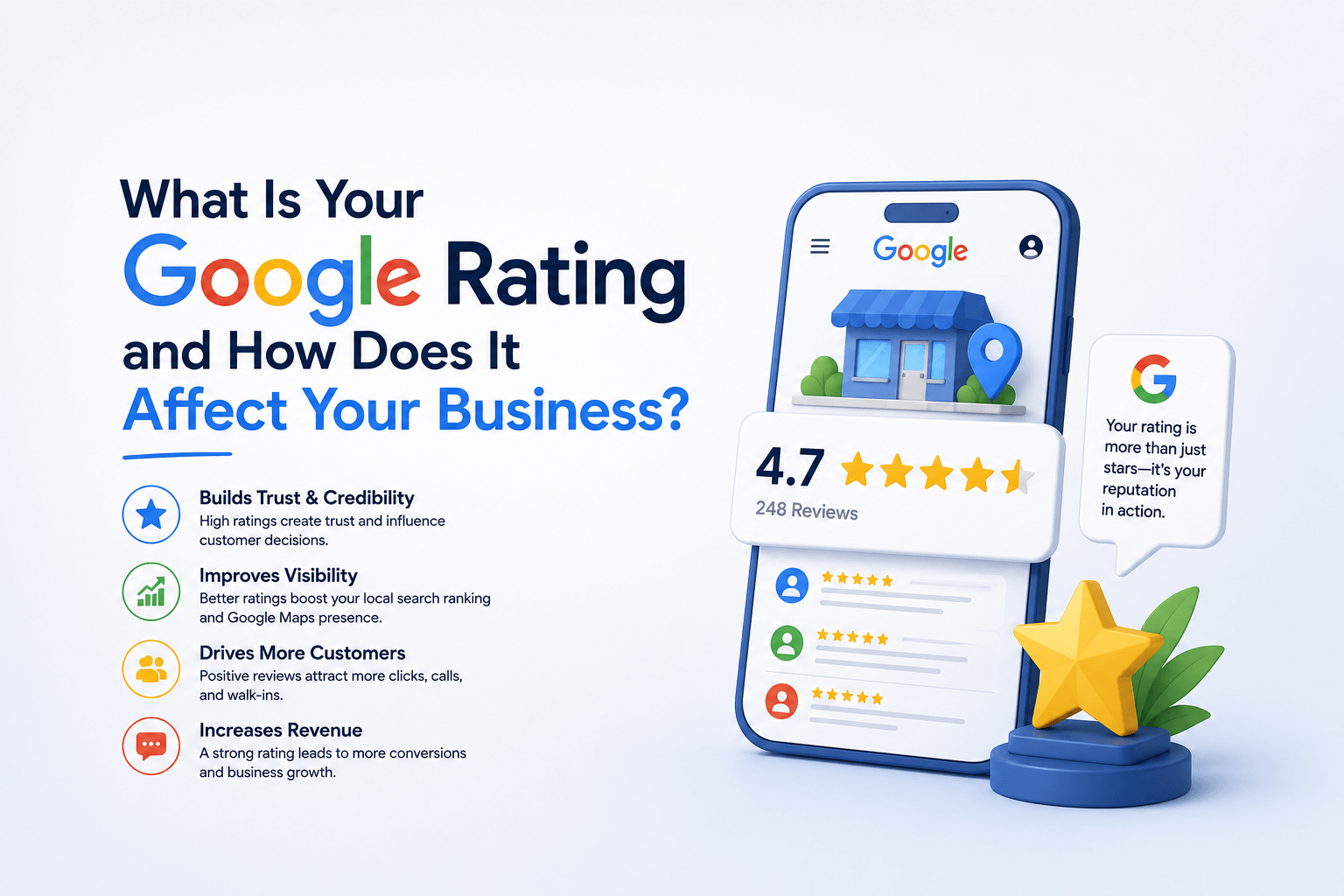
Do Google reviews affect rankings? Yes — but not in the simple, one-to-one way most business owners assume. Google has confirmed that review count and review score are direct local pack ranking factors, sitting alongside relevance, distance, and prominence inside its local search algorithm. What confuses people is how reviews move the needle: it isn’t just about collecting stars, it’s about review velocity, rating consistency, keyword-rich review content, and the prominence signal that a healthy review profile sends to Google’s ranking systems.
This is the question I get asked most often inside local SEO consulting calls, and the honest answer requires unpacking a few interconnected ranking signals rather than a single yes-or-no statement. By the end of this guide, you’ll understand exactly which review metrics matter, which ones are overrated, and how to build a review acquisition system that compounds your local pack visibility over time.
Have you problem with reviews optimization and management
Let’s connect to an expert.
Click a button below to talk or chat with us
The Short Answer: Reviews Are a Confirmed Ranking Factor
Google’s own Google Business Profile guidance states plainly that the quality and quantity of reviews factor into local search ranking. Review signals contribute primarily to prominence scoring — one of the three pillars of Google’s local ranking algorithm, alongside relevance and distance. A business with a strong, consistent flow of recent reviews signals real-world trust to Google’s algorithm in a way that static website content cannot replicate.
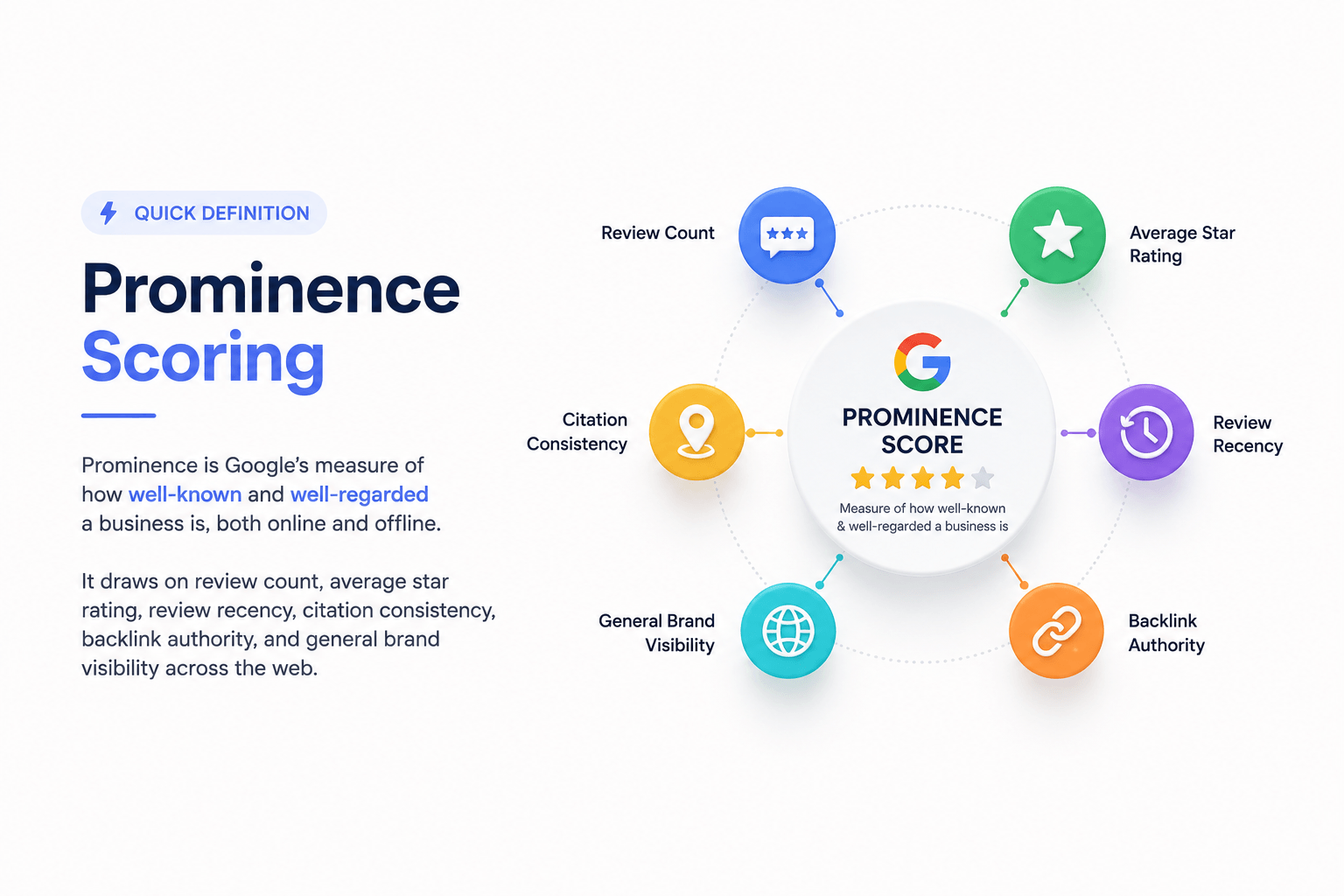
| Quick Definition: Prominence Scoring Prominence is Google’s measure of how well-known and well-regarded a business is, both online and offline. It draws on review count, average star rating, review recency, citation consistency, backlink authority, and general brand visibility across the web. |
Which Review Metrics Actually Influence Local Pack Rankings
Not all review data carries equal ranking weight. Industry studies — most notably Moz’s Local Search Ranking Factors report — consistently rank review signals among the top contributors to local pack visibility. Here is how the individual metrics break down:
| Review Signal | Ranking Impact | Why It Matters |
| Review Count | High | Higher volume signals legitimacy and prominence relative to competitors |
| Review Velocity | High | A steady, recent flow of new reviews outweighs a static historical total |
| Average Star Rating | Medium-High | Strongly influences click-through rate, indirectly supporting rankings |
| Review Recency | Medium-High | Stale review profiles lose prominence weight over time |
| Keyword Co-occurrence | Medium | Reviews mentioning services or locations reinforce topical relevance |
| Owner Response Rate | Medium | Signals active profile management and supports EEAT for the business |
| Review Diversity | Low-Medium | Reviews across multiple platforms support broader entity coherence |
Review Count vs. Review Velocity: What Google Weighs More Heavily
A common misconception is that the raw number of Google reviews is the dominant ranking lever. In practice, review velocity — the rate at which new reviews accumulate — carries more predictive weight in modern local pack ranking. A business with 80 reviews and a consistent flow of two to three new reviews per week will often outrank a competitor sitting on 200 reviews collected years ago and now stagnant.
This is because Google’s local algorithm treats review freshness as a proxy for whether a business is still active, still trusted, and still delivering a consistent customer experience. A flatlined review count is interpreted as a weaker prominence signal, even if the historical total looks impressive on paper.
| Copy-Paste Template: Review Velocity Audit Pull total review count and average rating from your Google Business Profile dashboard.Calculate reviews-per-month for the last 90 days versus the prior 90 days.Compare your velocity against your top 3 local pack competitors using manual checks or a geo-grid rank tracking tool.Flag any 60-day window with zero new reviews as a velocity gap requiring an active outreach push. |
Does Average Star Rating Affect Rankings Directly?
Average star rating has a more indirect relationship with rankings than review count or velocity. Google does not appear to apply a hard ranking penalty for a 4.2-star profile versus a 4.8-star profile, provided the rating sits within a credible range. What star rating does influence heavily is click-through rate from the local pack and Maps results, which feeds back into engagement signals that support long-term visibility.
There is, however, a recognized risk zone: profiles that drop below roughly 3.5 stars tend to see both lower click-through and softer prominence scoring, since Google’s systems increasingly factor in user satisfaction signals when surfacing local results for competitive, money-making queries.
How Review Content Reinforces Topical Relevance
Beyond star ratings, the actual text inside customer reviews contributes to relevance through keyword co-occurrence — when reviewers naturally mention your services, products, or neighborhood, that language reinforces entity coherence between your Google Business Profile and the queries you want to rank for. This is one reason review generation campaigns that prompt customers with light, non-leading context (‘what service did we help you with today?’) tend to outperform generic ‘leave us a review’ requests.
Reviews, NAP Consistency, and Local Entity Trust
Review signals do not operate in isolation. They compound with other prominence factors covered earlier in this cluster — particularly NAP consistency and citation accuracy, which you can review in our Local SEO for Small Businesses guide. When your business name, address, and phone number are consistent across directories and your review velocity is strong, Google’s local algorithm has a clearer, more confident entity profile to rank against geo-modified queries.
If you haven’t yet built the foundational mechanics behind this — how Google evaluates relevance, distance, and prominence together — it’s worth revisiting our core explainer on how websites rank on Google before layering in review strategy.
Building a Review Acquisition System That Sustains Velocity
Treating reviews as a one-time campaign rather than an ongoing system is the most common mistake small business owners make. A sustainable system needs three components working together: a consistent request trigger, a frictionless review path, and a response cadence.
- Trigger requests immediately after a positive service interaction, not days later when intent has faded.
- Use a direct Google review link or QR code to remove friction from the submission path.
- Respond to every new review within 48 hours to reinforce active profile management and support EEAT.
- Track review velocity monthly and treat any decline as a trigger for renewed outreach, not a passive metric.
For a complete walkthrough of acquisition tactics, see our companion guide on how to get more Google reviews, and pair it with our guide on how to respond to Google reviews to close the loop between acquisition and engagement.
Review Ranking Optimization Checklist
- Audit current review count, average rating, and 90-day velocity
- Compare velocity against top 3 local pack competitors
- Implement a consistent post-service review request trigger
- Respond to all reviews — positive and negative — within 48 hours
- Confirm NAP consistency across Google Business Profile and major directories
- Monitor for any 60-day window with zero new reviews and trigger outreach
- Re-check geo-grid rank tracking data monthly to correlate velocity with ranking movement
Frequently Asked Questions
Do Google reviews affect rankings on Google Maps?
Yes. Google Maps and local pack rankings use the same prominence-driven algorithm, meaning review count, rating, and velocity influence visibility in both placements simultaneously.
How many Google reviews do I need to rank well?
There’s no fixed threshold. What matters more than a specific number is staying competitive with the review count and velocity of the businesses currently ranking above you in your local pack.
Can negative reviews hurt my Google ranking?
A handful of negative reviews rarely causes lasting damage, especially when responded to professionally. A pattern of unresolved low ratings, however, can soften both click-through rate and prominence scoring over time.
Does review velocity matter more than total review count?
In most competitive local markets, yes. A steady, recent flow of new reviews signals an active, trustworthy business more strongly than a large but stagnant historical total.
Do reviews need to mention specific keywords to help rankings?
Reviews don’t need to be engineered around keywords, but natural mentions of services or location create keyword co-occurrence that reinforces topical relevance for your Google Business Profile.
How quickly do new reviews impact local rankings?
Ranking shifts from review activity typically show up within several weeks, since Google’s local algorithm factors in sustained patterns rather than isolated review events.
Should I focus only on Google reviews or other platforms too?
Google reviews carry the most direct local ranking weight, but a diversified review footprint across other platforms supports broader entity coherence and overall brand trust signals.

No responses yet