
2.1. Introduction to Digital Marketing
What is Digital Marketing?
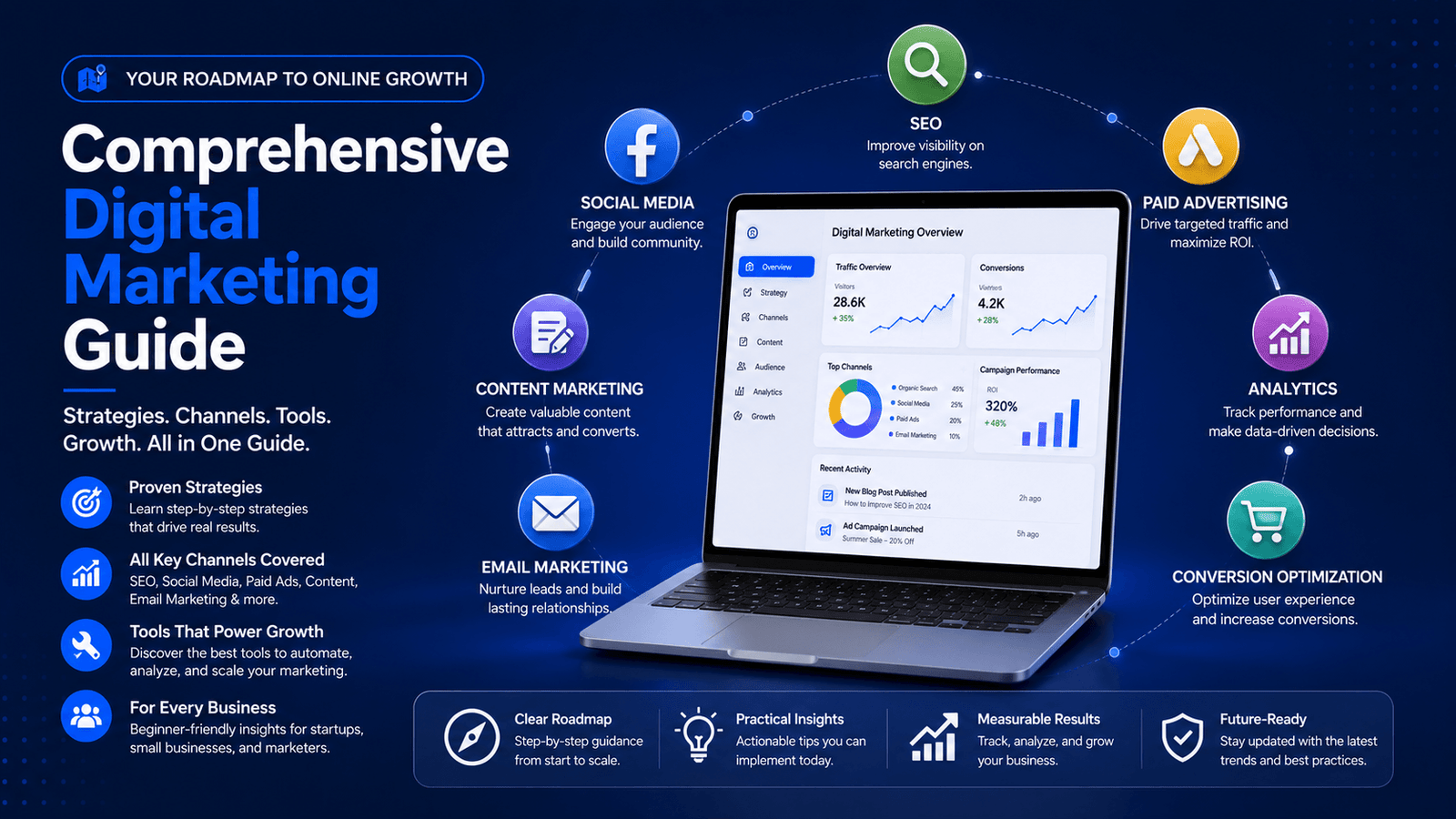
Digital Marketing is the strategic use of internet-based channels to connect businesses with their targeted audience through measurable and personalized communication. It combines data, psychology, and technology across platforms such as search engines, social media, email, and paid advertising to drive awareness, engagement, and sustainable growth.
According to the Digital Marketing Institute, “Digital marketing is the use of digital media technology to achieve marketing and business goals. The term comprises two words: ‘digital’ and ‘marketing’. So, you can think of it as the zone where digital technology and marketing strategy meet.
Digital marketing typically happens online or within apps, and it involves using computers, mobile devices, tablets, smart TVs, and other digital devices. However, it can also include digital billboards and immersive digital experiences such as virtual reality, augmented reality, and so on.”
Digital marketing continues to evolve as technology advances and consumer behavior shifts. What works for one business may not work for another, because strategy depends on the industry, the platform being used, and the audience being targeted. Effective digital marketing is not fixed; it adapts to context, market dynamics, and changing user expectations.
Why Digital Marketing Matters in Today’s Business Landscape
In the current business environment, online marketing has shifted from being a useful alternative to a crucial tool for expansion and survival. Most customers today spend considerable time online, searching using search engines, social media platforms, and mobile applications to find products and make purchasing decisions. A business that lacks a strong online presence risks being invisible to its target market.

Want to rank and suggest your website in LLMs ?
Click button below to talk to the expert
One of the reasons digital marketing is important is because of its ability to target and personalize. Digital marketing allows companies to target specific groups of people based on demographics, interests, and behavior, which is not possible with traditional marketing. This allows the marketing messages to be more relevant and increases the conversion rates.
Digital strategies also make growth more measurable and cost-effective. Analytics platforms offer real-time insights into the performance of the campaign, and businesses can quickly refine their strategy to avoid wasting costs. Even small businesses can compete effectively with larger businesses by using low-cost channels such as social media, content marketing, and search engine optimization(SEO).
In addition to reach and efficiency, digital marketing encourages direct interaction with customers. Social media and email marketing facilitate two-way conversations that establish trust and loyalty, converting occasional customers into regular ones. For companies that aim to succeed in a rapidly changing environment, spending on well-designed digital marketing campaigns is no longer a choice but a necessity.
2.2. Key Components of Digital Marketing
Social Media Marketing (SMM)
Social Media Marketing uses platforms such as Facebook, Instagram, LinkedIn, and TikTok to build brand awareness and foster engagement. It combines organic content, paid campaigns, and community management to maintain direct communication with audiences.
Search Engine Optimization (SEO)
Search Engine Optimization improves a website’s visibility in organic search results. It involves keyword research, high-quality content creation, technical improvements such as site speed and mobile responsiveness, and building credible backlinks. Strong SEO increases long-term traffic and builds authority without continuous advertising costs.
Search Engine Marketing (SEM)
Search Engine Marketing refers to paid strategies that increase visibility on search engines. It includes sponsored listings that appear above or alongside organic results. Search Engine Marketing allows businesses to target users who are actively searching for specific products or services, making it highly intent-driven.
Pay-Per-Click Advertising (PPC)
PPC is a model where advertisers pay only when users click on their ads. It operates across search engines, display networks, and social platforms. Campaign success depends on keyword selection, audience targeting, compelling ad copy, and optimized landing pages.
Content Marketing
Content Marketing focuses on creating informative and relevant material that addresses audience needs. Blog posts, videos, case studies, and infographics help educate prospects, strengthen credibility, and support both SEO and social strategies.
Email Marketing
Email Marketing nurtures leads and maintains relationships through newsletters, promotional campaigns, and automated sequences. Personalization and segmentation improve open rates and conversions while strengthening customer loyalty.
Influencer Marketing
Influencer Marketing involves collaboration with individuals who have established credibility and a loyal following within a niche. Their endorsement increases trust and extends brand reach to targeted communities
Affiliate Marketing
Affiliate Marketing allows third parties to promote products in exchange for a commission on sales or leads generated. It is performance-based and cost-efficient, as payment is tied directly to measurable results.
Mobile Marketing
Mobile Marketing targets users through smartphones and tablets via apps, SMS, push notifications, and mobile-optimized websites. Given the dominance of mobile browsing, businesses must ensure seamless mobile experiences.
Marketing Automation
Marketing Automation uses software tools to streamline repetitive tasks such as email sequences, lead scoring, and customer segmentation. Automation improves efficiency and ensures timely, personalized communication.
Conversion Rate Optimization (CRO)
CRO focuses on improving the percentage of visitors who complete desired actions, such as making a purchase or filling out a form. It involves testing page layouts, headlines, calls to action, and user flows.
Web Analytics and Performance Tracking
Analytics tools measure traffic sources, user behavior, and campaign effectiveness. Data insights guide strategic adjustments, helping businesses allocate budgets wisely and improve return on investment.
Online Public Relations (Digital PR)
Digital PR strengthens brand reputation through online media coverage, guest articles, partnerships, and crisis management. It enhances credibility while supporting SEO through authoritative backlinks.
E-commerce Marketing Strategies
E-commerce Marketing focuses on driving online sales through product optimization, retargeting campaigns, customer reviews, and personalized recommendations. It integrates multiple digital channels to move customers from discovery to purchase.
2.3. Benefits of Digital Marketing for Businesses
Digital marketing delivers clear advantages that help businesses grow, compete, and adapt in a constantly evolving marketplace. One of the most important benefits is expanded reach. Unlike traditional marketing confined by geography, digital channels allow companies to connect with customers locally, nationally, and internationally with minimal cost and effort. This global reach is especially valuable for small and medium-sized businesses seeking new markets beyond their immediate area.
Another key benefit is cost efficiency and measurable return on investment (ROI). Digital marketing strategies such as SEO, social media advertising, and email campaigns often cost significantly less than traditional media like print or TV. Businesses can allocate budgets more effectively because they pay only for clicks or engagement, and advanced analytics tools make it possible to track performance in real time. This level of insight helps companies refine campaigns quickly and increase ROI over time.
Targeted marketing and personalization elevate the relevance of promotional content. Businesses can tailor messages to specific audiences based on demographics, interests, and online behavior, increasing the likelihood of conversion. Personalization fosters stronger connections with consumers and improves engagement across platforms.
Digital marketing also supports continuous engagement and feedback. Platforms like social media, blogs, and email allow two-way communication between brands and customers. This interaction builds trust, strengthens loyalty, and provides immediate insight into customer preferences.
Finally, strategies such as SEO and content marketing build long-term brand visibility. Optimized digital content can attract organic traffic over months and years, creating assets that continue to work long after initial investment. Together, these benefits make digital marketing an indispensable part of modern business strategy
2.4. Building a Digital Marketing Strategy
A strong digital marketing strategy is the roadmap that guides every online effort toward clear business outcomes. It begins with well-defined goals and deep audience understanding.
Setting goals means deciding what success looks like—whether it’s increased website traffic, more leads, higher sales, or improved brand awareness. These goals should be specific and measurable so that progress can be tracked and evaluated. A strategy without clear goals becomes an activity without direction.

Once goals are in place, understanding the audience becomes the next priority. Buyer personas, which are detailed profiles of ideal customers based on data and research, help shape messaging, channel choice, and content formats. Knowing who the audience is, what they seek, and how they behave online allows marketers to design campaigns that connect with real customer needs. This insight comes from analytics, surveys, and competitive analysis that reveal what others in the industry are doing and where opportunities exist.
The next phase in building a strategy involves choosing the right digital channels. Not all platforms serve every business equally. A brand targeting professionals may focus on LinkedIn and SEO, while one aiming at younger consumers might invest in Instagram, TikTok, and video content. Integrating the most relevant channels ensures resources are used efficiently, and messages reach the intended audience. Content planning and creation play a central role here. High-quality content that reflects audience interests and aligns with business goals boosts engagement, supports SEO efforts, and adds value across touchpoints.
Measurement is the cornerstone of any effective strategy. Key performance indicators such as traffic, engagement rates, conversion rates, and return on investment must be tracked with analytics tools. These metrics show what works and what doesn’t, enabling marketers to refine tactics, allocate budgets wisely, and improve performance over time. A digital marketing strategy is not static; it evolves based on data and changing market dynamics, making adaptability and continuous optimization essential.
2.5. Common Challenges in Digital Marketing
Digital marketing has opened new opportunities for businesses to grow and connect with global audiences, but it also presents a series of difficult challenges that can limit performance and returns. One of the most pressing issues today is content saturation. With more companies producing blogs, videos, and social posts than ever, the online space is crowded. Generic or low‑value content gets lost quickly, making it harder for brands to attract engagement and rank well in search engines without truly distinctive, high‑quality material. Marketers must invest in thorough research and original insights to rise above the noise.
Another major challenge is rising advertising costs and competition for online attention. Platforms like Google and Meta continue to see intense advertiser demand, which drives up cost‑per‑click and makes campaigns less cost‑efficient for smaller businesses. This places pressure on digital teams to refine targeting, optimize budgets, and demonstrate a clear return on investment (ROI). In addition, frequent algorithm updates from search engines and social networks can suddenly reduce organic reach or change how audiences discover content, forcing marketers to adapt strategies regularly rather than rely on static plans.
Privacy changes also create significant obstacles. Regulations such as GDPR and evolving browser policies have reduced the availability of third‑party tracking data. As a result, retargeting audiences, attributing conversions to specific channels, and personalizing campaigns have become more complex. Marketers today must build their own first‑party data systems, be transparent about data practices, and explore alternative targeting methods to maintain effectiveness.
Lastly, managing multiple digital channels while maintaining brand consistency is a persistent struggle. Consumers interact with brands through search, social media, email, apps, and more. Coordinating messaging and user experience across these touchpoints requires careful planning and tools that support integration. Balancing rapid change, limited resources, and the demand for continuous innovation remains one of the defining challenges in modern digital marketing.
2.6. Future Trends in Digital Marketing
The future of digital marketing is shaped by rapid technological evolution and changing consumer behaviour. One dominant force is artificial intelligence (AI). AI will not only automate routine tasks but also deliver hyper-personalised experiences at scale. Marketers will use AI to analyse data, predict preferences, and tailor content in real time. This shift will make campaigns more efficient and relevant, enhancing engagement and conversion rates. AI will also alter SEO practices as search becomes more conversational and context-driven, requiring optimisation for generative search results rather than just keywords.
Another trend is the rise of voice and visual search. With the widespread use of smart speakers and visual tools, users increasingly search online using spoken language or images rather than typed keywords. Brands will need to adapt content and metadata to these multimodal formats. Visual search will also enhance e-commerce experiences by enabling shoppers to find products simply by snapping a photo.
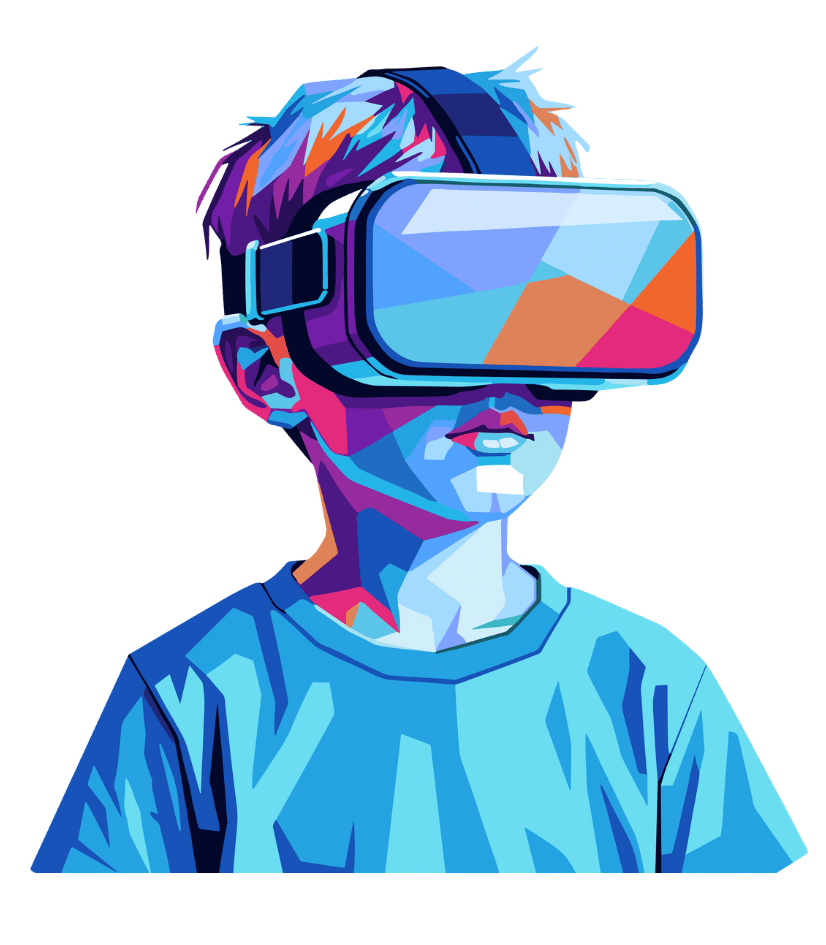
Interactive and immersive technologies such as augmented reality (AR) and virtual reality (VR) will become more common. AR lets customers virtually try on products or visualise items in their own space, which boosts confidence and reduces returns. VR can create virtual showrooms, making digital engagement feel more tangible and memorable. These immersive experiences will deepen audience connection and extend the customer journey beyond traditional channels.
A third major trend is privacy-first marketing and first-party data strategies. As third-party cookies phase out and privacy regulations tighten, brands must rely on data consumers willingly share. Transparent data practices and consent-based interactions will build trust and support personalised experiences without compromising privacy.
Finally, short-form video and social commerce integration will continue to gain ground. Platforms prioritise short, engaging videos that blend entertainment and shopping, making discovery and purchase seamless. Businesses that embrace these formats will find it easier to reach diverse audiences and drive conversions organically.
Conclusion
Digital marketing has become an essential driver of business growth in today’s highly competitive online landscape. From search engine optimization (SEO) and content marketing to social media campaigns and paid advertising, every component plays a vital role in building brand visibility, attracting qualified leads, and driving conversions. While challenges such as content saturation, rising ad costs, privacy regulations, and algorithm changes make execution complex, a well-planned and integrated digital strategy can overcome these obstacles. Businesses that invest in high-quality content, leverage data-driven insights, and maintain consistent engagement across multiple channels are better positioned to achieve measurable results.
Understanding the key components of digital marketing and the common challenges allows marketers to optimize campaigns, improve ROI, and stay ahead of competitors. By continually refining strategies, adopting new tools, and focusing on customer-centric approaches, organizations can maximize the potential of digital marketing to grow their online presence, strengthen audience relationships, and boost long-term business success.
For businesses seeking sustainable growth, prioritizing digital marketing is no longer optional—it is a strategic necessity. Implementing an integrated approach that combines SEO, content creation, social media, paid advertising, and analytics ensures visibility, engagement, and conversions while future-proofing against evolving market trends

No responses yet